

What Does a Fiber Laser Need to Be Installed? 7 Requirements to Check First
Fiber laser installation requirements come down to seven things: adequate and clean electrical service, dry compressed air, an
Moving a laser cutting machine is not a forklift job. The machine has to be shut down correctly, protected in transit, set back down level, reconnected, realigned, and proven out before it cuts production parts again. Reger Laser handles laser machine moves and re-installations for Tanaka machines and other brands, whether you are moving across the shop or across the country.
Most delayed installs we see are not machine problems. They are facility problems that nobody checked until the rigger was already on site: a slab that is not flat, electrical service without the headroom, assist gas that was never ordered, a chiller with nowhere to reject heat. Planning up front is what keeps the reinstall from turning into a repair.
Reger Laser has installed Tanaka machines since 2007, and Jason Reger was installing and commissioning laser equipment as a field engineer for seven years before that. We know where the problems hide.
Every machine model publishes its own numbers for these. We work from the specification sheet for your exact machine, not a rule of thumb.
Enough amperage at the panel with everything else in the shop running, the right voltage and phase, correct disconnect and breaker sizing, and a solid ground. Drives and controllers are sensitive to a poor ground.
At the pressure and dryness the machine specifies. Wet air fouls optics and valves.
Nitrogen and oxygen at the flow and pressure the machine needs, with the supply sized for how you actually cut.
A chiller matched to the machine, with room for airflow and a clean place to reject heat. A chiller crammed into a hot corner will fault in summer.
A flat, solid slab rated for the machine weight. The machine has to sit dead flat and stay that way.
Room for sheets going in, parts coming out, service access on every side, and the rigging path from the door to the pad.
Extraction sized for the machine, ducting routed before the machine lands, and the enclosure and interlocks intact.
Site check at the new location against the machine specification, utility and floor requirements, rigging path, and a sequence for the move so the machine is down for as short a time as possible.
Proper shutdown, a full software and parameter backup from the control, and securing the axes, optics, and resonator or source before the machine is lifted so nothing shifts in transit.
Setting the machine on the pad, leveling, reconnecting power, air, assist gas, and cooling, reinstalling the optics, and bringing the control back up.
Beam alignment, beam centering in the nozzle, focus and height sensor references, axis checks, and test cuts on your material so the machine is proven before it goes back into production.
The new location decides how smooth the reinstall will be. Before move day, we look at the floor, the space around the machine for service access and material handling, and the power, air, gas, and chiller connections. If something is not ready, it is far cheaper to fix it before the machine arrives than after.
We also back up the control before anything is disconnected. Machine parameters, offsets, cutting condition tables, and programs all live on the control, and a move is exactly the kind of event that corrupts a memory card. Our installation requirements guide and our installation and training article walk through what a laser needs from a site. A move is a new installation with a used machine.
Once the site is ready, the move follows a fixed order.
Utilities confirmed, rigging path walked, and a schedule agreed with you and your rigging company.
Control backed up, machine powered down in sequence, gas and coolant handled correctly.
Axes locked, optics removed or protected, resonator or source secured, cables and hoses labeled.
Your rigger lifts and moves the machine. We coordinate lift points and handling with them.
Machine placed on the pad and leveled to specification.
Power, air, assist gas, chiller, and fume extraction connected and checked.
Control restored, beam aligned and centered, references set, test cuts on your material.
Anything that changed, explained to the people who run the machine.
Once the machine is level and connected, we bring it up in stages: control, drives, resonator or source, then beam alignment and test cuts. Operators get a walkthrough of anything that changed, and we can add a refresher training session if the move came with new staff.
If the machine is due for maintenance, the reinstall is a good time to do it, since the covers are already off. Ask about a preventive maintenance visit on the same trip. On a CO2 machine, a move is also the right time to check the resonator for vacuum leaks, since transport is hard on o-rings and seals.
More on what a laser needs from a site and how to keep it in spec after it lands.
Fiber laser installation requirements come down to seven things: adequate and clean electrical service, dry compressed air, an
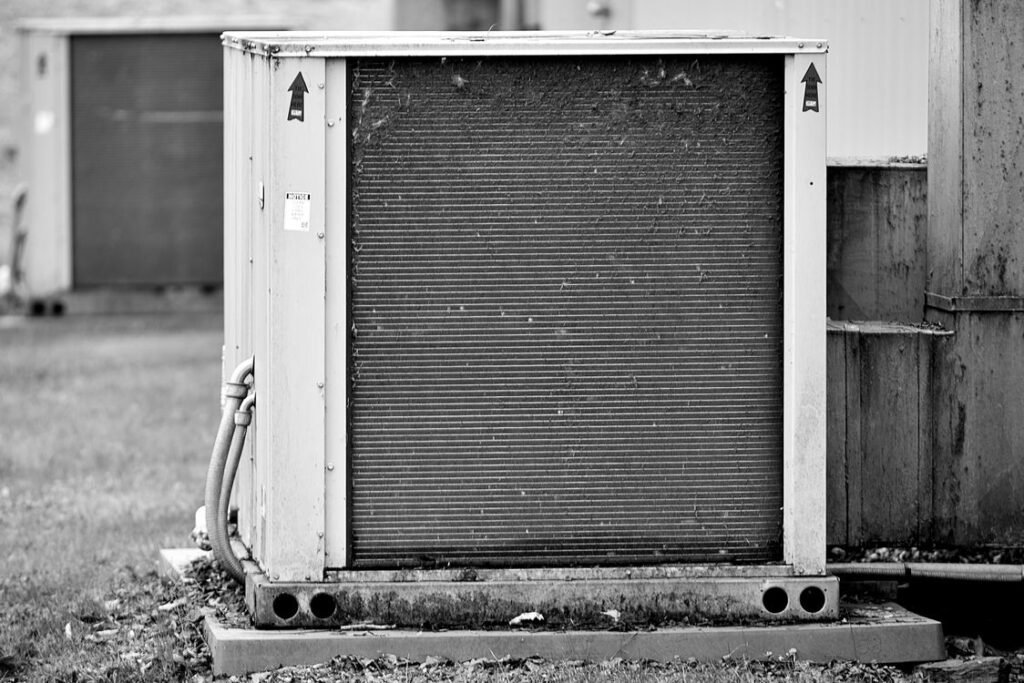
Why cooling matters, matching capacity and stability to the machine, flow and coolant, ambient conditions, and the common sizing mistakes.
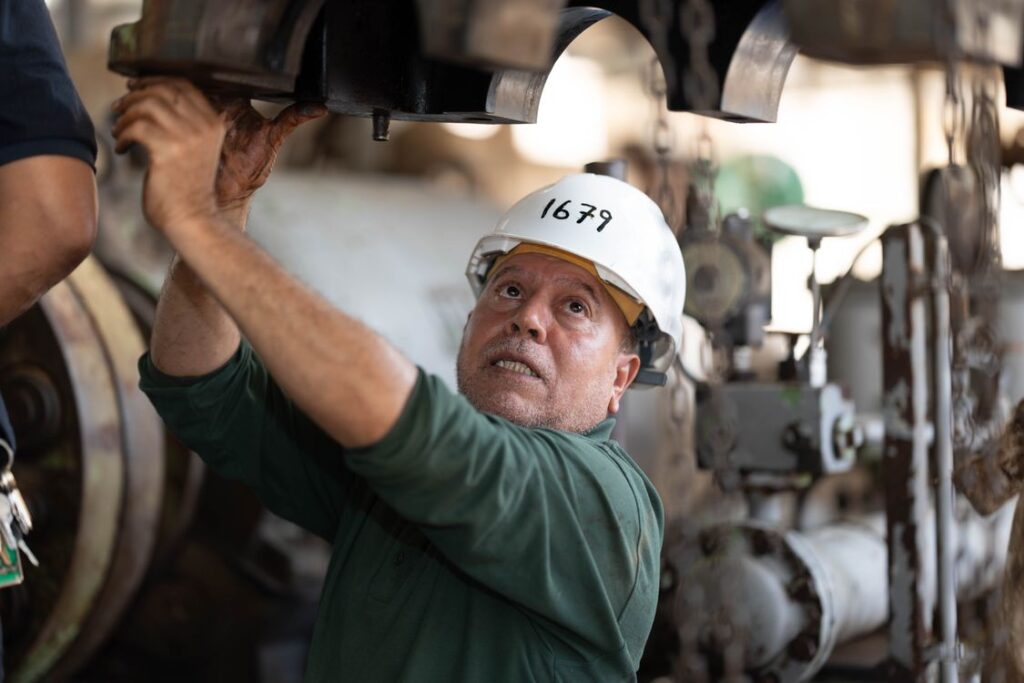
What calibration covers, beam centering, focus, height sensor and axis checks, when to do each, and operator tasks vs service work.
Yes. We move and reinstall Tanaka lasers and most other brands, regardless of where the machine came from.
Yes. If you are buying a used Tanaka from us, the move and reinstall are part of the conversation. If you are buying elsewhere, we can still handle the reinstall.
We plan and coordinate the move and handle the machine side: shutdown, preparation, reinstallation, and startup. The lift and transport are done by a rigging company, either yours or one we work with, and we coordinate lift points and handling with them.
A flat floor rated for the machine weight, power, air, and gas at the new location, room for the chiller and fume extraction, and clear access for rigging. We go through the full list with you during planning.
Call 847-897-4811 or email [email protected] with the machine model, where it is now, where it is going, and your target date.
Reger Laser handles the whole life of the machine, from the day it lands on your floor to the day it moves to the next one.

Looking to update your current system with a more productive New Tanaka Fiber Laser? Reach out to us at [email protected]. Check out the New advancements Tanaka Lasers machines have to offer.
No products in the cart.
No products in the cart.