
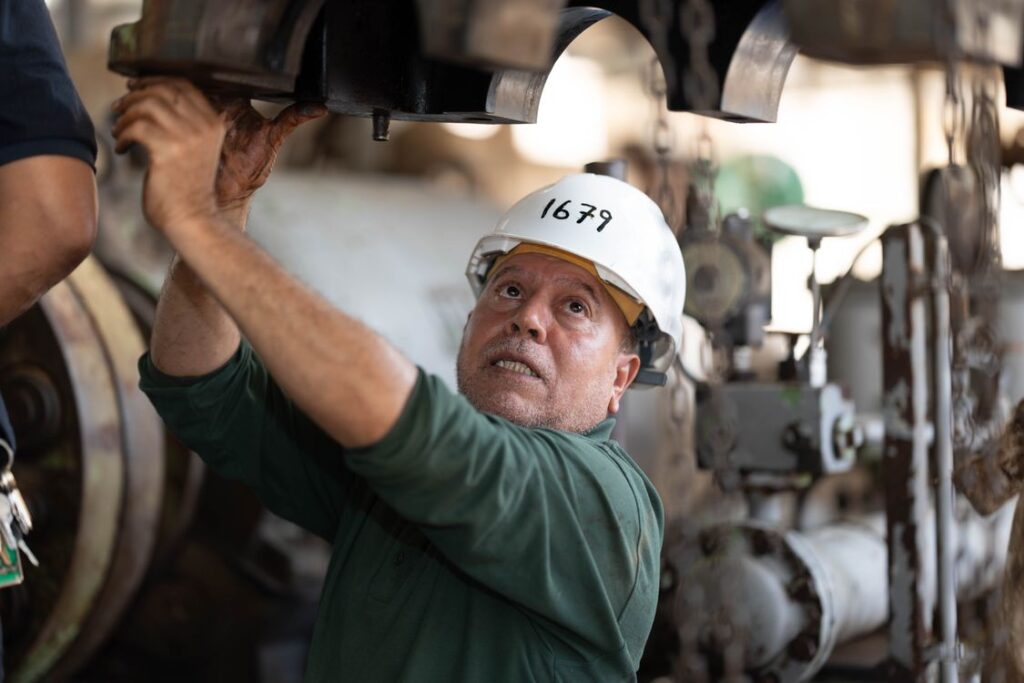
Fiber Laser Preventative Maintenance: A Shop Floor Guide
The daily, weekly, and monthly fiber laser preventative maintenance tasks that keep a machine cutting clean and the source healthy.
A laser cutting machine that gets regular attention runs more hours, holds tolerance longer, and fails on a schedule you control instead of one you do not. Reger Laser provides preventive maintenance on Tanaka lasers and most other brands, covering the resonator or fiber source, the beam delivery optics, the drive system, the axis rails, the chiller, and the control software.
Jason Reger wrote service procedures for new laser equipment as the lead field engineer at Metal Processing Systems before founding Reger Laser in 2007. Our PM program is built the same way: a written sequence for each machine, not a look-around and a handshake.
We build the PM around your machine and how hard you run it. A shop cutting one shift a day does not need the same visit as a shop running three. Call us, tell us what you have, and we will put together a plan.
Most unplanned laser downtime does not start with a worn-out resonator or a dead fiber source. It starts with skipped basics: a dirty optic, a chiller that is not rejecting heat, a clogged assist gas path, a nozzle that took a hit and never got changed. Left alone, those small things become a lost cut, then a crashed head, then a service call and a wait for parts.
A machine that runs hard five days a week does not fail gently. It fails under load, on the last sheet of a rush order, or during a heat wave when the shop is already warm. Preventive maintenance moves that failure to a day you picked, with parts already in hand, and it keeps cut quality steady instead of drifting as parts wear. It also protects the resale value of the machine when it is time to trade up.
On a CO2 machine the Fanuc resonator is checked for output power, gas consumption, vacuum, blower condition, and internal optics. On a fiber machine the focus shifts to the cutting head, protective windows, and the beam path. Either way, the machine mechanics, assist gas system, and safety interlocks are on the list.
Worn drives show up as backlash, positioning errors, and edge quality that changes across the table. We rebuild and adjust the drives, then verify positioning against the control so the head goes where the program says.
The X axis carries the gantry the full length of the table on every rapid traverse, and on a Tanaka that can be a long way. We inspect rails and bearings for wear and contamination and realign so the gantry tracks true across the full travel.
Water quality, coolant condition, condenser cleanliness, and flow are the whole game. We check conductivity, flush the loop, change coolant, clean the condenser, and repair what needs it, on Orion chillers and others. Cooling faults look like laser faults, so this is on every visit.
The control holds machine parameters, offsets, cutting condition tables, and programs. A failed control or a corrupted card with no backup means rebuilding all of it from memory. We back it up on every visit so recovery is a restore, not a rewrite.
Every laser eventually needs service. The difference is whether it happens on a day you picked with parts already in hand, or in the middle of a rush order with the machine down. Scheduled PM lets you:
Our technician starts with the machine history, the alarm log, and anything your operators have noticed. Then the visit works through every system on the machine.
Output power, laser gas consumption and vacuum on a CO2 machine, fiber path and cooling on a fiber machine.
Mirrors, focus lens, cover glass, and nozzle condition, plus beam centering in the nozzle and the focus reference.
Drives, rails, bearings, backlash, axis squareness, and the height sensor reference.
Coolant level and condition, conductivity, condenser cleanliness, flow, and filters.
Bed slats, bellows, fume extraction filters, lubrication points, and the assist gas path.
Software and parameter backup, alarm history review, and any pending option or parameter updates.
Interlocks, door switches, and emergency stops.
A PM visit does not replace the daily checks. It builds on them. The operator routine that keeps a laser healthy between visits is short:
A written checklist signed off each shift is the difference between a plan and a hope. If your team wants help building that habit, our machine side maintenance training covers exactly this. Before we leave a PM visit, we walk through what was done and what we recommend next, so nothing lives only in one head.
The maintenance guides on our blog go deeper on each area of the machine.
The daily, weekly, and monthly fiber laser preventative maintenance tasks that keep a machine cutting clean and the source healthy.
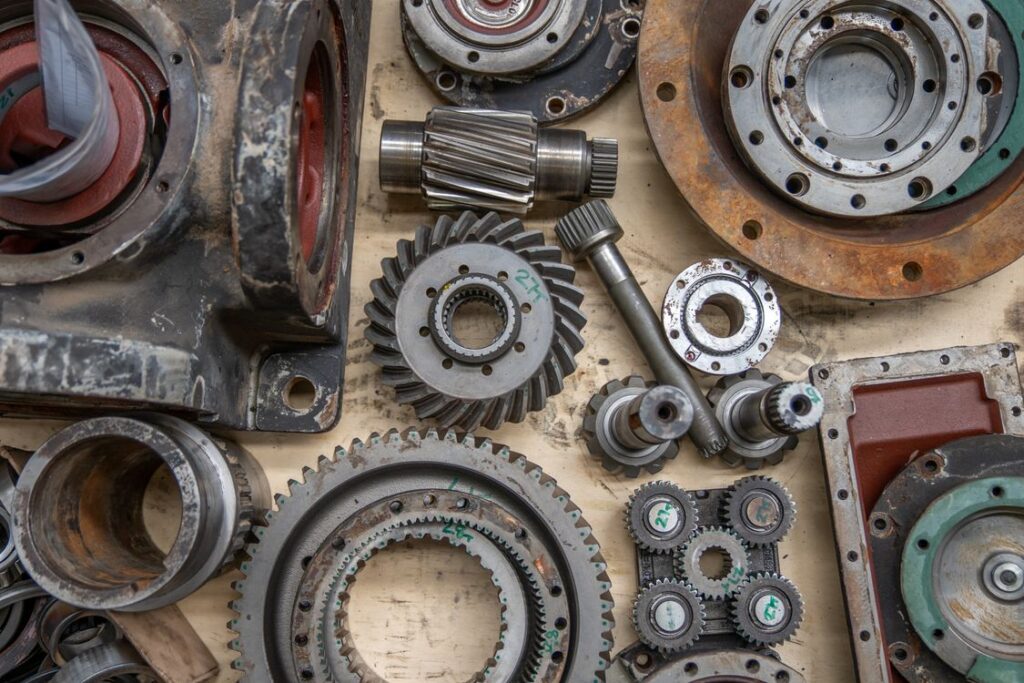
Which laser machine spare parts to stock deep, which critical spares to carry, and how to set reorder points from your own consumption instead of guesswork.
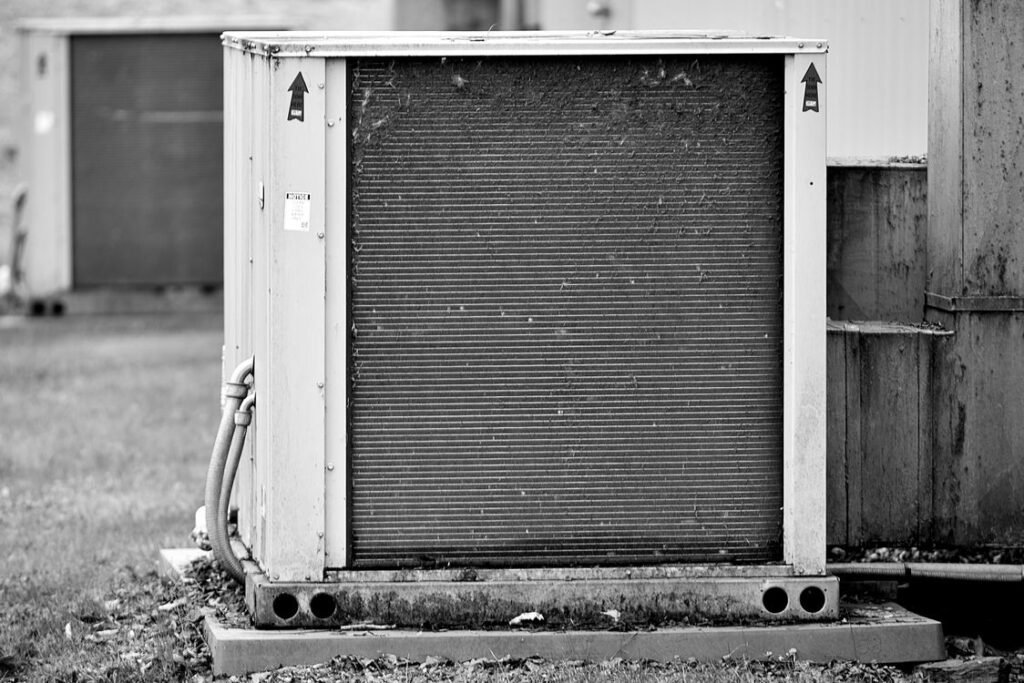
Water quality, coolant changes, condenser cleaning, and reading chiller faults. The laser chiller maintenance routine that keeps your source out of an over-temp fault.

What calibration covers, beam centering, focus, height sensor and axis checks, when to do each, and operator tasks vs service work.
It depends on hours and material. A single-shift shop and a three-shift shop are not on the same schedule. Tell us how you run the machine and we will recommend an interval.
Yes. We work on equipment from most laser manufacturers, including Mitsubishi, Trumpf, Bystronic, and Amada, on both CO2 and fiber machines.
Yes. Machine side maintenance training is part of what we offer, so your team can handle the daily and weekly items between visits.
Consumables that wear every shift: cover glass or protective windows, nozzles in the sizes you run, ceramic rings, and a spare focus lens. Long-lead parts are quoted by model and serial number. Our parts team can build a stocking list from your usage.
You get a straight answer and a quote before any additional work. If it is a resonator issue on a CO2 machine, our resonator repair team handles it, often on the same visit if parts are on hand.
Reger Laser handles the whole life of the machine, from the day it lands on your floor to the day it moves to the next one.

Looking to update your current system with a more productive New Tanaka Fiber Laser? Reach out to us at [email protected]. Check out the New advancements Tanaka Lasers machines have to offer.
No products in the cart.
No products in the cart.