

Laser chiller maintenance is the routine that keeps the cooling unit doing its one critical job: holding the laser source inside the narrow temperature band it needs to run. Skip your laser chiller maintenance and the symptoms show up at the source, as over-temperature faults and power drops, long before anyone thinks to blame the chiller. Water quality, coolant condition, a clean condenser, and steady flow are the whole game. This guide covers each one and the faults that tell you the cooling loop needs attention before it costs you a shift.
Table of Contents
- What Laser Chiller Maintenance Covers
- Water Quality Is Everything
- The Deionized Water Paradox
- Changing Coolant on Schedule
- Keep the Condenser Clean
- Common Chiller Faults and What They Mean
- Ambient Conditions and Where the Chiller Sits
- Early Signs Your Cooling Is Slipping
- Match the Chiller to the Machine
- Cooling Protects the Most Expensive Part
- A Laser Chiller Maintenance Routine
- Frequently Asked Questions
Key Takeaways
- Laser chiller maintenance protects the source; cooling faults often look like laser faults.
- Use the coolant the maker specifies, not tap water, and watch conductivity over time.
- Deionized water is corrosive by nature, so every wetted part must be DI-compatible.
- A fouled condenser is the most common cause of over-temperature faults.
- Water quality and coolant condition are monitored parameters, not fill-and-forget.
What Laser Chiller Maintenance Covers
The chiller circulates coolant through the laser source and the cutting head to carry away heat, and it rejects that heat through a condenser. Laser chiller maintenance is the set of tasks that keeps that loop clean, full, flowing, and at the right water quality. When any of those slip, the source overheats, faults, or quietly loses power, and the machine stops or cuts poorly.
What makes laser chiller maintenance easy to neglect is that the chiller sits to the side and hums along until it does not. It is not the part operators interact with, so it falls off the daily radar. But the source depends on it completely, which is why cooling belongs in every preventative maintenance routine right alongside the optics.
The core of laser chiller maintenance comes down to four things: water quality, coolant condition, condenser cleanliness, and flow. Stay on top of those four and the chiller will hold the source steady for years. Let them drift and you will be troubleshooting the laser when the real problem is the cooling.
Water Quality Is Everything
The single most important part of laser chiller maintenance is water quality. The coolant is not just any water. Tap water carries minerals that build scale inside the loop and on heat-exchange surfaces, and scale insulates exactly where you need heat to move, so the cooling slowly gets worse while nobody notices.
Use deionized or distilled water, or the specific coolant your machine maker specifies, never tap water. Monitor conductivity over time, because rising conductivity is an early warning that the water is picking up impurities or that the loop’s ion-exchange resin is spent. Catching that trend is a core part of laser chiller maintenance, since water that drifts out of spec degrades cooling and can affect beam quality before any hard fault appears.
Treat water quality as a measured parameter. A simple conductivity check on a schedule tells you the state of the loop, and a reading that climbs is your cue to act before the source ever complains.
The Deionized Water Paradox
Here is the part of laser chiller maintenance that surprises people. Deionized water is used because it does not carry the minerals that cause scale, but precisely because it lacks ions, deionized water is aggressively corrosive. It wants to grab ions from somewhere, and if the wetted parts of your loop are not compatible, it grabs them from your metal.
That means every wetted material in the cooling loop has to be corrosion-resistant and DI-compatible, and the loop’s resin and any inhibitors are part of keeping the chemistry in balance. Running deionized water through incompatible metals, or skipping the resin maintenance, causes corrosion and conductivity drift that ends in beam-quality loss and source faults. So the myth that distilled or DI water can never hurt the machine is exactly backward, and good laser chiller maintenance respects that.
The takeaway is not to fear DI water but to manage it. Use the right water, keep the resin and inhibitors in spec, and confirm your components are rated for it. Managed correctly, DI water is the right coolant; ignored, it corrodes the loop it was supposed to protect.
Changing Coolant on Schedule
Coolant does not last forever. Over time it picks up contaminants, the additives deplete, and biological growth can appear in a neglected loop. A core laser chiller maintenance task is changing the coolant on a regular cycle, commonly every few months depending on the machine and the environment, rather than waiting for a problem.
When you change the coolant, it is also the moment to flush the loop if the maker calls for it, inspect for any sign of scale or corrosion, and replace filters and resin as needed. Doing it on schedule keeps the cooling consistent and catches small issues while they are cheap. Skipping it lets contamination build until the loop is fighting you, which is the expensive way to learn this lesson.
Keep the Condenser Clean
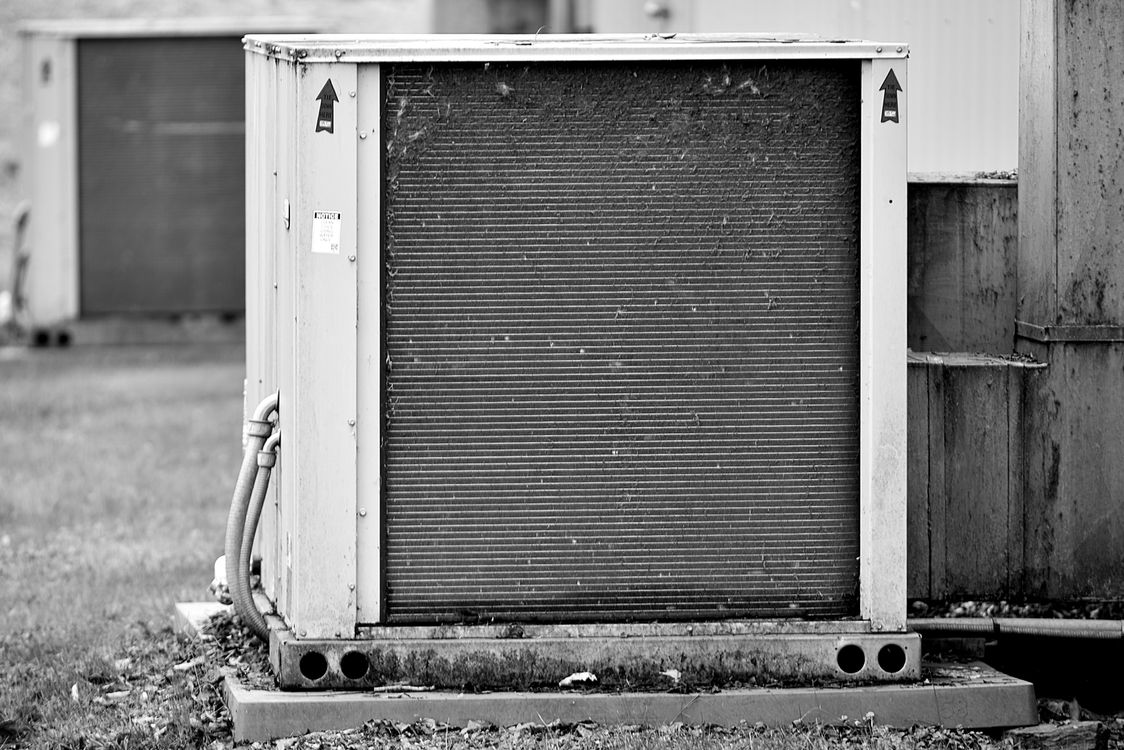
The condenser is where the chiller dumps the heat it collected, and it is the most common single cause of over-temperature faults. A fabrication shop is full of dust, lint, and fine particulate, and that debris packs into the condenser fins until the chiller simply cannot reject heat anymore. The result is a source that overheats and faults for a reason that has nothing to do with the laser.
Keeping the condenser fins clean is one of the highest-return laser chiller maintenance tasks there is. Inspect the fins on a schedule, blow or vacuum them clean, and keep the area around the chiller free of the worst dust. Clogged filters do the same thing on a smaller scale, cutting airflow and efficiency. When a shop calls about over-temperature faults, a fouled condenser is the first thing worth checking, because it is common and it is cheap to fix.
This is the task most likely to be skipped because the chiller hides in a corner. Put it on the calendar by name so a coil packed with a season of shop dust never becomes the reason the machine drops a job.

Common Chiller Faults and What They Mean
Part of laser chiller maintenance is reading what the chiller and the machine are telling you. Most cooling problems announce themselves before a hard shutdown, if you know the signs.
- Over-temperature fault: usually a fouled condenser, low coolant, blocked filters, or restricted flow.
- Low-flow or flow alarm: a clogged filter, a failing pump, a kink, or air in the loop.
- Rising conductivity: spent resin or contaminated water, a water-quality problem to fix now.
- Power drops as the machine warms up: the source is not being held at temperature, a cooling problem.
- Coolant leaks or low level: a fitting, hose, or seal issue that starves the loop.
The key insight is that these symptoms appear at the source, not the chiller, so it is easy to chase the wrong end of the machine. When a fiber laser faults on power or temperature, good laser chiller maintenance habits send you to check the cooling loop first, which is often exactly where the problem lives. It saves hours of troubleshooting the laser for a fault that was really a dirty coil.
Ambient Conditions and Where the Chiller Sits
The environment the chiller lives in changes how hard it has to work, and shops often overlook this entirely. A chiller crammed into a hot corner with no airflow, or sitting right next to a heat source, fights the ambient temperature on top of the heat it is already pulling from the source. The hotter the air it draws, the less margin it has to reject heat, and the closer it runs to an over-temperature fault on a busy afternoon.
Give the unit room to breathe. Keep clear space around the air intake and exhaust so it can actually move air, keep it away from other heat sources where you can, and pay attention to the shop in summer, when ambient temperatures climb and marginal cooling tips over into faults. A chiller that coasts through winter can start tripping in July for no reason other than the air around it got hotter.
Placement is a one-time decision that pays off every day after. When you set up a machine, think about where the chiller sits as carefully as where the cutting table goes, because a well-placed unit makes the rest of your cooling care easier and a poorly placed one makes every hot day a gamble.
Early Signs Your Cooling Is Slipping
The best time to catch a cooling problem is before it faults the machine, and the loop usually gives you warning if you are paying attention. Train operators to notice the early signs so a slipping chiller gets attention on your schedule instead of stopping a job on its own.
- Supply temperature creeping higher than it used to read at the same point in the shift.
- The chiller running harder or cycling more often than normal to hold the same setpoint.
- Cut quality that drifts as the machine warms up over a long run.
- A conductivity reading that has climbed since the last check.
- Dust visibly building on the condenser or the surrounding area.
None of these is a hard fault yet, and that is the point. Each is the loop telling you it is working harder than it should, and acting on it, by cleaning the condenser, checking flow, or testing the water, is far cheaper than recovering from the over-temperature shutdown that comes next. Reading these signs is what turns cooling care from reactive repair into real preventative work, and it is the habit that keeps the source steady through the hardest jobs.
Match the Chiller to the Machine
Not all chillers are equal, and a chiller that is undersized or poorly matched to the source makes laser chiller maintenance an uphill fight. A properly sized, quality industrial chiller holds temperature with margin, which means fewer faults and a longer source life. Trade references like Laser Focus World cover how chiller selection and sizing affect the laser it serves.
This is where the right unit matters. Orion industrial water chillers are built for laser duty, and we cover what sets them apart in our piece on what makes Orion chillers different. A good chiller does not remove the need for laser chiller maintenance, but it makes the routine easier and the source happier, because it is doing its job with margin instead of running at its limit.
Cooling Protects the Most Expensive Part
It is worth stepping back to remember what all this cooling care is really protecting. The laser source is the single most expensive component in the machine, and it lives or dies by the temperature it runs at. Heat is what ages a source, and steady, in-spec cooling is what keeps it healthy for years instead of forcing an early, costly repair or replacement.
Seen that way, the time spent on cooling care is cheap insurance on the most valuable part you own. A chiller that holds temperature with margin, fed clean coolant and breathing through a clean condenser, lets the source run in its comfort zone shift after shift. A neglected loop runs the source hot, and a source run hot does not last, which turns a skipped maintenance habit into the most expensive line on a future repair bill.
This is also why cooling care and source lifespan belong in the same conversation as your operating cost and your machine’s resale value. A machine with a documented history of proper cooling is worth more and breaks less, and the difference traces straight back to the unglamorous habit of keeping the loop clean and in spec.
A Laser Chiller Maintenance Routine
Put it together and laser chiller maintenance becomes a short, repeatable routine that prevents the faults shops most often blame on the laser. Build it into your regular maintenance schedule so the cooling loop never drifts unnoticed.
- Daily: check coolant level and supply temperature before the first cut.
- Weekly: inspect for leaks, confirm flow, and check the condenser area for dust buildup.
- Monthly: clean the condenser fins, replace or clean filters, and check conductivity.
- Quarterly or per the maker: change coolant, service resin, and flush the loop as specified.
If you would rather have a pro handle the cooling side, Reger Laser includes chiller care in our service and preventative maintenance work, and we can source the right coolant, parts, and a properly sized chiller. Either way, do not let the chiller be the part nobody maintains, because it is the part the source cannot live without. A few minutes on the cooling loop each week is the cheapest insurance you can buy on the most expensive component in the machine.
Frequently Asked Questions
How often should I do laser chiller maintenance?
Do laser chiller maintenance on a regular cycle: check coolant level and temperature daily, inspect for leaks and dust weekly, clean the condenser and check conductivity monthly, and change the coolant every few months or as your machine maker specifies. The chiller is easy to ignore, so put the tasks on the calendar by name.
Can I use tap water in my laser chiller?
No. Tap water carries minerals that build scale and degrade cooling. Use deionized or distilled water or the coolant your maker specifies, and remember that deionized water is corrosive, so every wetted part must be DI-compatible and the resin and inhibitors must be maintained. Water quality is the core of laser chiller maintenance.
Why does my fiber laser keep getting over-temperature faults?
Over-temperature faults are most often a chiller problem, not a laser problem. The usual cause is a fouled condenser packed with shop dust, followed by low coolant, clogged filters, or restricted flow. Good laser chiller maintenance, starting with cleaning the condenser, resolves most of these before they stop the machine.
Can Reger Laser service our chiller?
Yes. Reger Laser includes chiller care in our maintenance and service work and can source coolant, parts, and properly sized Orion chillers. Contact us to keep your cooling loop, and your source, healthy. Folding laser chiller maintenance into a regular service schedule is one of the cheapest forms of insurance on the most expensive part of your machine.
Keep the Source Cool and the Faults Away
Most laser faults blamed on the source are really cooling problems. Reger Laser handles laser chiller maintenance, coolant, and parts, and sources the right Orion chillers. See our service options or reach out.


