

Fiber laser maintenance is the cheapest insurance a fabrication shop can buy. A fiber laser that is cleaned, checked, and serviced on a schedule cuts clean parts for years. One that is run until something breaks ends up stalled mid-job, waiting on a part, with operators standing around and a deadline slipping. The difference between those two shops is not luck. It is a maintenance routine. This guide lays out 7 proven ways to keep a fiber laser running, plus a simple schedule you can put to work today.
Key Takeaways
- Most unplanned laser downtime traces back to skipped basics: dirty optics, a neglected chiller, or a clogged assist-gas path.
- Predictive and preventive maintenance reduces maintenance costs and lifts uptime, according to Deloitte research.
- A short daily and weekly routine prevents the failures that cost full production days.
- Fiber laser maintenance protects both cut quality and the resale value of the machine.
Table of Contents
- Why Fiber Laser Maintenance Cuts Downtime
- Keep the Optics Clean and Inspected
- Maintain the Assist-Gas System
- Service the Chiller on Schedule
- Clean the Bed, Slats, and Bellows
- Check the Motion System and Rails
- Manage Filters and Fume Extraction
- Follow a Preventative Maintenance Schedule
- A Simple Fiber Laser Maintenance Schedule
- When to Call in a Service Partner
- Signs Your Fiber Laser Needs Attention Now
- Preventive vs Reactive Maintenance
- Build a Spare-Parts Kit for Your Fiber Laser
- Frequently Asked Questions
Why Fiber Laser Maintenance Cuts Downtime
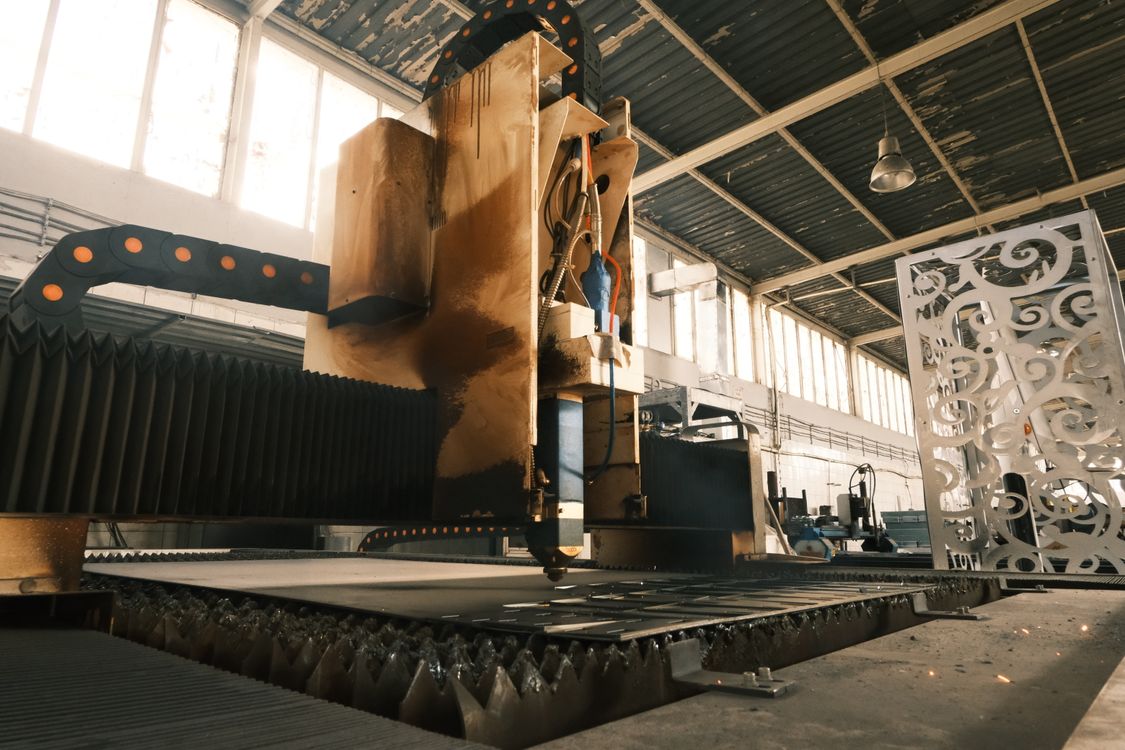
Every hour a laser sits idle is an hour of orders not shipping and operators not cutting. Unplanned downtime is one of the largest hidden costs in manufacturing, and it almost always starts small: a fouled lens, a low coolant level, a worn nozzle. Left alone, those small issues become a failed cut, then a crashed head, then a service call and a wait for parts.
The payoff for staying ahead of it is real. Research from Deloitte found that predictive maintenance can cut overall maintenance costs by 5 to 10 percent, lift equipment uptime by 10 to 20 percent, and shrink maintenance planning time by 20 to 50 percent. Consistent fiber laser maintenance turns those numbers into shipped jobs, and it keeps cut quality steady instead of drifting as parts wear.
1. Keep the Optics Clean and Inspected
The protective lens and nozzle take the most abuse on a fiber laser. Spatter and fume settle on the cover glass, and a dirty lens absorbs energy instead of passing it through. That shows up as a rough edge, a loss of cutting power, and in the worst case a cracked lens that takes the head down. Checking the protective window is the single highest-value habit in fiber laser maintenance.
Inspect the cover glass daily and clean or replace it the moment it shows haze or spatter. Watch the nozzle for damage and concentricity, since a dinged nozzle ruins gas flow and edge quality. Keep spare lenses and nozzles on the shelf so a worn part never becomes a stoppage. For the deeper optics, our guide on when to replace laser optics covers the wear signs to watch.
2. Maintain the Assist-Gas System
Assist gas does the physical work of clearing molten metal from the cut, so the gas system deserves real attention. Nitrogen gives clean, oxide-free edges, while oxygen adds speed on thicker mild steel. Either way, pressure and purity have to be right. A small leak, a contaminated supply, or a regulator drifting off its setpoint will quietly wreck edge quality before anyone connects it to the gas.
Check fittings and hoses for leaks, confirm your regulators hold their set pressure, and keep gas purity high. Moisture or contamination in the line scatters across the cut and dulls the edge. Folding assist-gas checks into your fiber laser maintenance routine keeps both your cut quality and your gas bill under control, since leaks waste expensive gas around the clock.
3. Service the Chiller on Schedule
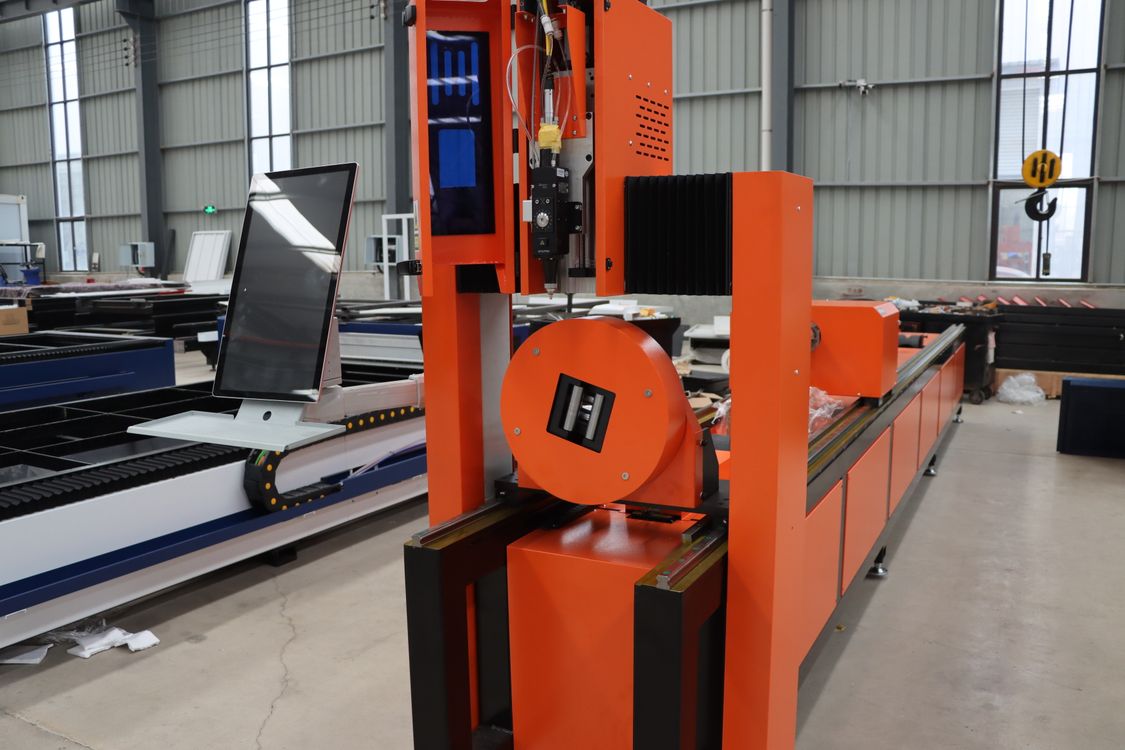
The chiller is the part of the system most shops forget until it fails, and a chiller failure can take the whole laser offline. The laser source and optics need stable temperature to perform, and a chiller running on old, dirty coolant or a clogged filter cannot hold it. Temperature swings shorten the life of the most expensive components on the machine.
Keep the coolant clean and at the right level, change it on the manufacturer interval, and keep the chiller filters and condenser clear of dust. Watch that the unit holds its temperature setpoint without hunting. The chiller is a core piece of fiber laser maintenance, and our overview of what an Orion industrial chiller does and the Orion chiller lineup explains why stable cooling matters so much.
4. Clean the Bed, Slats, and Bellows
The cutting bed collects slag, dross, and small offcuts fast. Build-up on the slats throws off flatness, interferes with the cut, and can cause small parts to tip and crash the head. A clean bed is basic, but it is one of the most skipped steps because it is tedious. It still pays off every shift.
The bellows that cover the rails matter just as much. They keep dust and spatter off the precision motion components, and a torn bellows lets grit reach the rails. Clear the slats and the scrap drawer regularly, and replace damaged bellows before debris gets behind them. This kind of housekeeping is the unglamorous half of fiber laser maintenance that keeps the precision parts protected.
5. Check the Motion System and Rails
A fiber laser holds tight tolerances only as long as its motion system is clean and properly lubricated. The rails, bearings, and drive components guide the head with great precision, and grit or dry lubrication introduces play that shows up as inaccurate parts. Once backlash creeps in, every cut suffers until it is corrected.
Wipe down and lubricate the rails on the manufacturer schedule, and watch for any roughness or noise as the head moves. Check drive belts for tension and wear. Catching a worn bearing or a loose belt during routine fiber laser maintenance is far cheaper than discovering it through a batch of scrapped parts. If cut quality has started drifting, our post on common laser cutting problems and how to solve them helps narrow down the cause.
6. Manage Filters and Fume Extraction
Cutting metal produces fume and fine dust, and the extraction system is what keeps that out of the machine and the shop air. When filters clog, extraction drops, fume lingers around the optics, and the cover glass fouls faster. A neglected filter quietly speeds up wear on everything downstream of it.
Monitor filter condition and replace cartridges before airflow falls off. Good extraction is also a safety issue, since metal fume is a health hazard for everyone on the floor. OSHA outlines the relevant exposure and protection rules in its laser hazards standards. Treating fume extraction as part of fiber laser maintenance protects the machine and the people running it.
7. Follow a Preventative Maintenance Schedule
The habits above only work when they are scheduled instead of remembered. Reactive maintenance, fixing things after they break, is the most expensive way to run a laser, because failures never happen at a convenient time. A written preventative maintenance plan turns upkeep into a routine that anyone on the team can follow and verify.
Assign each task to a daily, weekly, monthly, or quarterly slot, log every check, and keep the records with the machine. Logging matters: it shows trends, proves the work was done, and helps a technician diagnose faster when something does go wrong. A documented fiber laser maintenance program is also what protects the machine value if you ever sell or trade it.
A Simple Fiber Laser Maintenance Schedule
You do not need a complicated system to stay ahead of failures. The breakdown below is a practical starting point that most shops can adapt to their own machine and manufacturer guidance.
- Daily: Inspect the protective lens, check the nozzle, clear the slat bed, confirm chiller temperature and coolant level, and glance over assist-gas pressure.
- Weekly: Clean optics as needed, wipe and lubricate rails, check bellows, empty the scrap drawer, and inspect gas fittings for leaks.
- Monthly: Check filter and extraction condition, inspect drive belts, verify regulator settings, and review the cut-quality log for drift.
- Quarterly: Change chiller coolant on interval, do a deep optics inspection, calibrate as needed, and have a technician review wear items.
When to Call in a Service Partner
Daily checks belong to your operators, but some work is better handed to a specialist. Source alarms, persistent cut-quality problems you cannot trace, power-output drops, and any service inside the laser source itself are jobs for a trained technician. Pushing past those signals is how a small issue becomes a major repair.
That is where a service partner earns its keep. Reger Laser provides fiber laser maintenance, repair, preventative maintenance, parts sourcing, and operator training for shops across the country, backed by Tanaka fiber lasers and Orion chillers. Explore our service offerings or browse machine sales if you are planning your next addition. The goal is the right machine and the right partnership behind it.
Signs Your Fiber Laser Needs Attention Now
A fiber laser usually warns you before it quits. Rough or angled edges, dross clinging to the underside of parts, a sudden need to slow the feed rate, or pierces that stop landing cleanly all point back to the optics, the nozzle, or the assist gas. When the cut that ran fine last week starts fighting you, the machine is asking for attention.
Other signals sit in the support systems. A chiller that hunts around its setpoint, assist-gas consumption that keeps climbing, new noise or vibration in the motion system, or recurring source alarms are all prompts for fiber laser maintenance, not problems to cut through. Catching a signal early keeps a five-minute check from turning into a service call. Train operators to stop and look when the machine talks, because the cost of ignoring it is always higher.
Preventive vs Reactive Maintenance
Reactive maintenance waits for something to break. It feels cheaper because nothing gets spent until a part fails, but the failure lands in the middle of a job, with scrapped material, idle operators, and parts that have to ship late. The hours saved by skipping upkeep get paid back with interest the first time the head crashes.
Preventive fiber laser maintenance spends a few scheduled minutes to avoid those stalls. The Deloitte finding that predictive upkeep lifts uptime by 10 to 20 percent is the whole case for it: planned minutes replace unplanned days. Keep the wear items on a schedule, log the work, and the machine stays in production instead of surprising you. Over a year, the shop that plans its maintenance simply ships more parts.
Build a Spare-Parts Kit for Your Fiber Laser
A maintenance plan stalls without parts on hand. The most common consumables, cover lenses, nozzles, filter cartridges, and chiller coolant, should live on a shelf near the machine so a worn part is a quick swap instead of a multi-day wait for a shipment. Nothing undercuts good fiber laser maintenance faster than knowing what to fix and not having the part to fix it with.
Keep the kit small and well chosen, matched to the parts your machine actually goes through. A service partner can help you stock the right items and source the less-common parts before you need them. Reger handles parts sourcing as part of our service offerings, so the shelf stays ready and the line keeps moving.
Frequently Asked Questions
How often should fiber laser maintenance be done?
Some tasks are daily, like inspecting the protective lens and checking the chiller, while others fall on weekly, monthly, and quarterly intervals. The key is a written schedule rather than guesswork. You can have our team build or review a plan for your machine through our service offerings.
What is the most common cause of fiber laser downtime?
Dirty or damaged optics top the list, followed by chiller problems and assist-gas issues. All three are preventable with routine checks. If cut quality is slipping, our guide to common laser cutting problems walks through the usual culprits.
Why does the chiller matter so much for a fiber laser?
The laser source and optics need stable temperature to perform, and the chiller holds it. Neglected coolant or filters cause temperature swings that shorten the life of expensive components. Learn more in our overview of the Orion industrial chiller.
Can operators handle fiber laser maintenance themselves?
Yes, for the daily and weekly tasks like cleaning optics, clearing the bed, and checking the chiller. Source-level repairs and persistent faults should go to a trained technician. Operator training bridges that gap, and it is part of what we offer through our services.
Does maintenance affect a fiber laser resale value?
It does. A documented fiber laser maintenance history proves the machine was cared for and supports a stronger resale or trade-in value. Buyers pay more for a machine with clean records. If you are planning an upgrade, see our current machine sales.
Keep Your Laser Cutting, Not Waiting
A fiber laser earns its keep only when it is running. Reger Laser provides fiber laser maintenance, repair, parts, and training to keep your machine in production and your edges clean. Contact us or request a quote to set up a maintenance plan that fits your shop.


