

Fiber Laser Troubleshooting: 7 Proven Fixes to Stop Mistakes
Fiber laser troubleshooting starts with the cheap stuff: nozzle, protective window, coolant. Follow this 7-step diagnostic order before you call for service.
The resonator is the heart of a CO2 laser cutting machine, and on a Tanaka LMR, LMX, or LMRV it is a Fanuc oscillator. When it loses power the whole shop feels it: slower cuts, rough edges, scrapped parts, and a machine that faults out in the middle of a job. Reger Laser rebuilds and repairs CO2 resonators on Tanaka machines and on most other laser brands, including Mitsubishi, Trumpf, Bystronic, and Amada.
Jason Reger started in this work in 2000 as the lead field engineer at Metal Processing Systems, where he wrote the service procedures for new equipment and trained the engineers who followed him. He founded Reger Laser in 2007. Resonator work is where that background matters most, because the fix is rarely one part.
Every job starts with a phone call so we can hear what the machine is doing and tell you what we recommend before anyone gets on a plane.
A CO2 laser does not make its beam in one piece. A mixture of carbon dioxide, nitrogen, and helium circulates through glass discharge tubes at high speed. The power supply drives an electrical discharge through those tubes, which excites the gas, and the rear mirror and output coupler at either end of the optical cavity turn that excited gas into a beam. Folding mirrors route the beam between tube sections, and the beam then leaves the resonator for the machine optics and the cutting head.
Keeping that going takes a set of hard-working mechanical parts. The turbo blower moves the gas through the tubes and the heat exchangers fast enough to carry heat away from the discharge. The Roots blower is the vacuum pump that pulls the resonator down to operating pressure and holds it there, and the o-rings on the discharge tubes and manifolds are what keep air out of that vacuum. Any one of them wearing out shows up first as lost power and rising gas consumption, and then as faults.
That is why resonator repair is a system job, not a swap-a-part job. A blower rebuild without a leak check, or a new discharge tube in a resonator with contaminated optics, gives you a machine that looks fixed for a week.
The discharge tubes carry the excited gas and the turbo blower keeps it moving. A tube that has darkened or cracked, or a turbo with worn bearings and vibration, drags output power down and stresses everything around it. We overhaul both and bring the resonator back to spec.
Hardened, flattened, or cracked o-rings let air into the vacuum side of the resonator. The first sign is laser gas consumption climbing with no change in production. We replace the full o-ring set and leak check the tube assembly before the resonator goes back into service.
The Roots blower is the vacuum pump that pulls the resonator down to operating pressure. Bearing noise, vibration, slow pump-down, or a resonator that cannot hold vacuum are signs it is due. We rebuild the blower and verify pump-down after reassembly.
The LRC is the motorized lens focus adjusting unit on Tanaka machines, the part that moves the focus position under NC control. When it sticks, drifts, or stops responding, focus is wrong on every cut. We rebuild the unit and confirm focus travel against the control.
Over time the rear mirror, output coupler, and folding mirrors inside the resonator pick up contamination that scatters the beam and costs you power. A super cleaning removes it and restores the optical path. It is often what a resonator with mystery power loss actually needs.
The high voltage power supply drives the discharge. It fails in ways that look like other problems: intermittent faults, no strike, or power that drifts during a cut. We diagnose and repair the supply instead of guessing at parts.
Most resonator problems show up on the cut before they show up as a fault code. Watch for these:
One of these on its own can have a simpler cause, such as dirty external optics or a chiller that is not holding temperature. Two or more together usually mean the resonator. Call us before the machine goes down completely. A planned repair is easier to schedule than an emergency one, and it pairs well with a preventive maintenance program so the rebuild lasts.
The order matters. It finds the fault fastest and keeps you from paying for parts you did not need.
Describe the symptoms and fault codes. We separate a resonator fault from an optics or chiller problem and give you a recommendation before anyone travels.
Output power, gas consumption, vacuum pump-down, blower condition and internal optics, checked in the order that narrows the fault fastest.
The worn component is overhauled or replaced, the o-rings and seals are renewed, and the resonator is leak checked.
The optical cavity is aligned and output power is confirmed against what the machine is rated to produce.
The machine cuts your material before we leave, and your operators hear what changed and what to watch for.
Reger Laser sells and services Tanaka machines and knows the Fanuc resonators in them inside and out, but resonator work is not limited to one brand. We work on Mitsubishi, Trumpf, Bystronic, Amada, and other CO2 laser cutting machines. If you are not sure whether we cover your model, call and ask. When you call, a technician answers.
We are based in Yorkville, Illinois and travel to shops across the country. If a resonator is past the point of repair, we can walk you through new machine options and used Tanaka machines so you can weigh a rebuild against a replacement using numbers from your own shop.
Working through symptoms yourself first? These guides from our blog cover the checks that separate a resonator fault from a cheaper problem.
Fiber laser troubleshooting starts with the cheap stuff: nozzle, protective window, coolant. Follow this 7-step diagnostic order before you call for service.
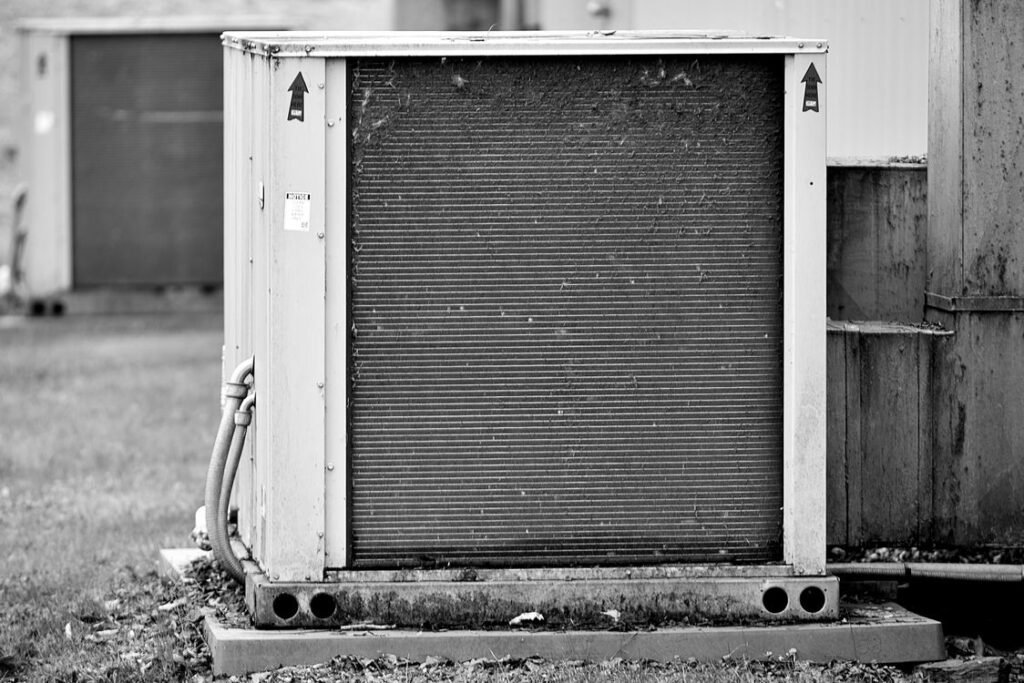
Water quality, coolant changes, condenser cleaning, and reading chiller faults. The laser chiller maintenance routine that keeps your source out of an over-temp fault.
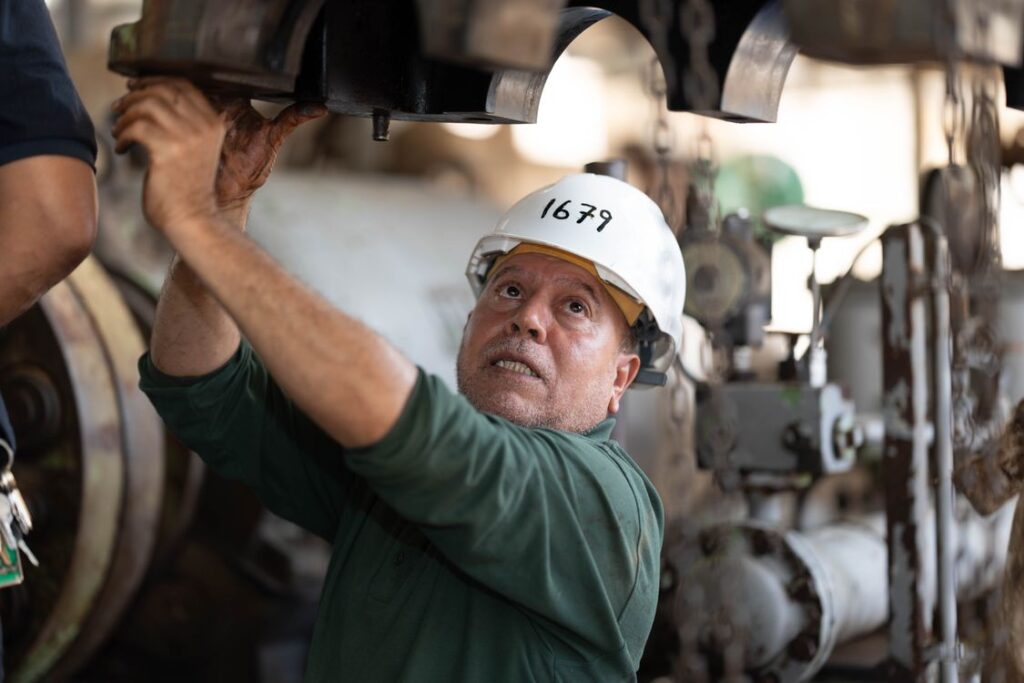
What calibration covers, beam centering, focus, height sensor and axis checks, when to do each, and operator tasks vs service work.
Yes. We work on most CO2 laser brands, including Mitsubishi, Trumpf, Bystronic, and Amada. Tell us the make and model when you call.
In many cases, yes. Our technicians travel to your facility for on-site resonator work. Some components are better handled at our shop, and we will tell you which is which after we hear what the machine is doing.
Often the chiller. A cooling loop that is not holding temperature causes over-temperature faults and power drops that look exactly like a resonator problem. We check coolant temperature, flow, and the condenser before condemning a resonator.
The machine make, model, and serial number, any fault codes on the screen, what the cut looks like, and roughly when the problem started. Photos of the cut edge help.
Call 847-897-4811 or email [email protected] with the machine model, serial number, and what the machine is doing.
Reger Laser handles the whole life of the machine, from the day it lands on your floor to the day it moves to the next one.

Looking to update your current system with a more productive New Tanaka Fiber Laser? Reach out to us at [email protected]. Check out the New advancements Tanaka Lasers machines have to offer.
No products in the cart.
No products in the cart.