

Fiber laser cutting aluminum used to be a headache on older machines, but modern fiber sources handle it well when the gas and settings are right. Aluminum is reflective and conducts heat away fast, so it behaves differently than steel on the table, and getting clean, burr-free edges takes a different approach than most operators expect. This guide covers why aluminum is tricky, the assist gas and parameters that actually work, the grades you will run most, how to avoid the burr and dross that plague the metal, the machine protection the job demands, and where the capability pays off. If you cut aluminum today or plan to add it, this is the practical version, not the brochure version.
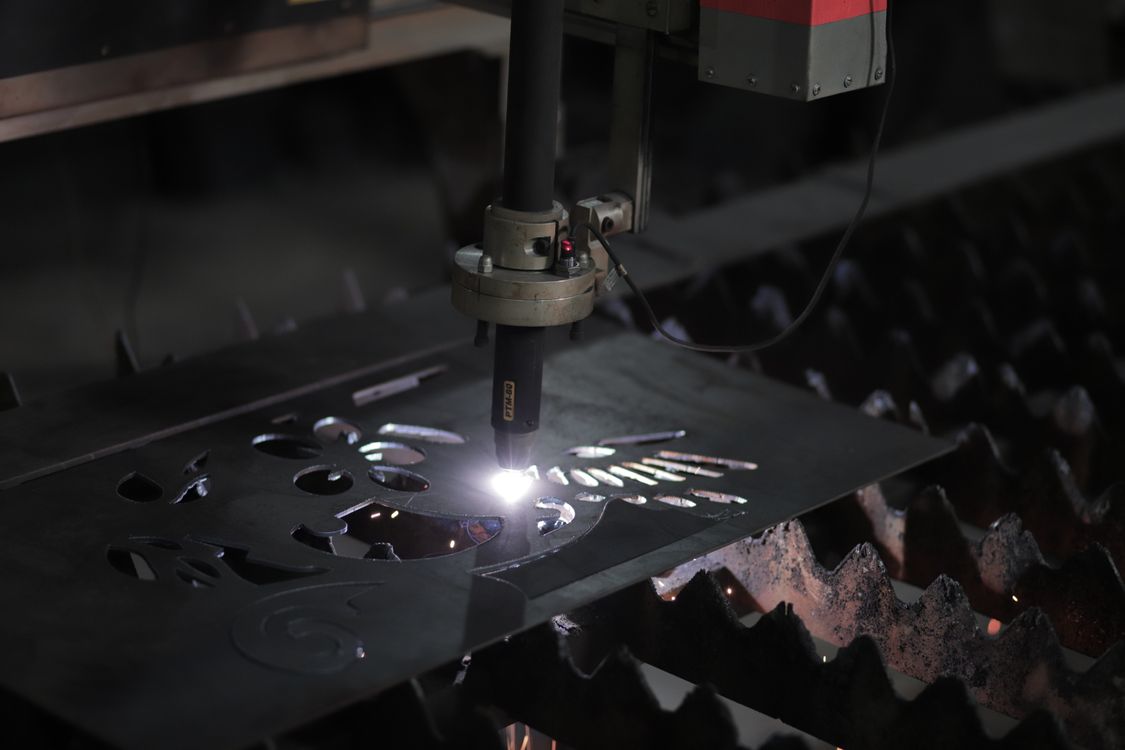
Table of Contents
- Why Aluminum Is Tricky
- Assist Gas and Settings
- Aluminum Grades and Thickness
- Avoiding Burr and Dross
- Reflectivity and Machine Care
- Where Aluminum Cutting Pays Off
- New or Used for Aluminum Work
- Aluminum in Daily Production
- Frequently Asked Questions
Why Aluminum Is Tricky
Two properties make fiber laser cutting aluminum different from cutting steel. First, aluminum is highly reflective, so a portion of the beam bounces back toward the source instead of being absorbed into the cut. Second, aluminum conducts heat away from the cut zone quickly, which can leave a ragged or burred edge if the parameters are not tuned for it. Older CO2 lasers struggled badly with both problems, which is why so many shops historically sent aluminum out or cut it with a saw.
Fiber wavelengths couple into aluminum far better than CO2 did, and modern machines add back-reflection protection at the source. Together, those two advances turned aluminum from a gamble into a routine job. The payoff is real: clean aluminum parts straight off the table for enclosures, brackets, panels, signage, and lightweight assemblies, with edges ready to weld or anodize. The platforms in our Tanaka laser cutting machines guide are built with the source protection that makes this both safe and repeatable.
Assist Gas and Settings
As with stainless, nitrogen is the preferred assist gas for aluminum. It blows the melt out of the kerf cleanly and avoids the oxide film that oxygen leaves, giving a bright edge ready for welding or anodizing. Aluminum needs high nitrogen pressure, and because it pulls heat out of the cut zone so quickly, the beam needs enough power to keep the cut front molten as it moves.
- Power: aluminum generally needs more power than the same thickness of steel, because heat escapes the cut zone fast and the reflective surface wastes some of the incoming beam.
- Speed: tuned so the melt clears cleanly without the edge dragging. Too slow dumps heat into the part and produces burr, too fast leaves an incomplete cut.
- Gas pressure: high nitrogen pressure to eject molten aluminum and prevent it from re-welding at the bottom edge, which is the source of most aluminum burr.
- Focus: set carefully and checked often, because aluminum is less forgiving of a focus that has drifted than mild steel is.
Operators moving from steel to aluminum should expect to re-learn their settings rather than reuse them. The recipes do not carry over, and assuming they do is a common source of scrap. This is exactly the kind of thing we cover in operator training and support when a shop adds aluminum to its mix.
Aluminum Grades and Thickness
The grades a shop sees most each cut a little differently:
- 5052 is a common sheet grade for enclosures, panels, and marine work. It cuts cleanly with nitrogen and is fairly forgiving.
- 6061 is the structural workhorse used in framing and brackets. It cuts well but can show more edge burr if speed and gas pressure are not balanced.
- 3003 is a softer, formable grade used in ductwork and trim. It is easy to cut but quick to burr if the edge overheats, so watch speed.
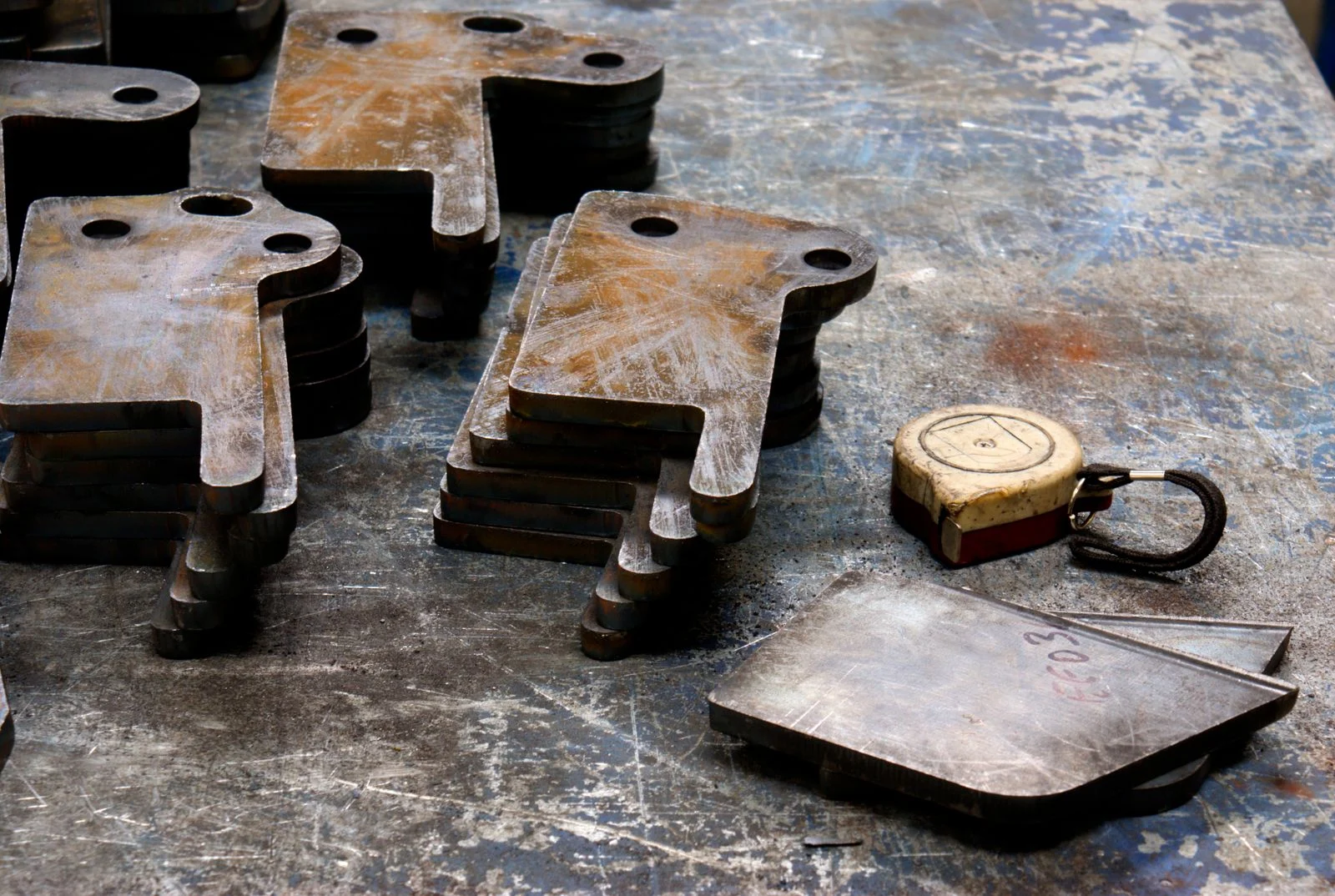
Thickness drives the parameters more than grade does. Thin aluminum cuts fast and clean, while heavier plate needs more power and lower speed, and the burr risk climbs, so test cuts matter on anything thick or unfamiliar. Fiber laser cutting aluminum at production speed is very achievable, but only after the recipe for that grade and thickness is proven on a test piece first.
Avoiding Burr and Dross
Burr on the bottom edge is the classic aluminum complaint, and it almost always comes from one of three causes:
- Too little gas pressure: the molten aluminum is not fully ejected and re-solidifies as burr along the bottom. Raise nitrogen pressure first.
- Speed off for the thickness: too slow overheats the edge and builds burr, too fast leaves an incomplete cut. Find the window with test cuts.
- Worn or wrong nozzle: a damaged nozzle or the wrong bore size disrupts the gas column that clears the melt. Check and replace the consumable.
As always, consumables and setup are the first place to look, not the power dial. A clean nozzle and lens plus the right nitrogen pressure fix most aluminum edge problems before you ever change a power setting. When burr appears suddenly on a job that was running clean, suspect a worn consumable before anything else.
Reflectivity and Machine Care
Aluminum’s reflectivity is why machine protection matters so much. Reputable fiber machines include back-reflection sensors that detect light returning toward the source and shut down or adjust before it damages an expensive component. This is not a feature to skip when buying a machine you intend to run aluminum on. Stable cooling also matters, because cutting reflective metals puts extra thermal load on the source, which is one reason we pair machines with Orion industrial water chillers that hold the source temperature steady. When you spec a machine for aluminum, confirm both the back-reflection protection and the cooling capacity, two things our team reviews whenever we quote a system for aluminum work.
Where Aluminum Cutting Pays Off
Adding clean aluminum capability opens up work many shops turn away today. Electrical enclosures, HVAC components, signage and architectural trim, transportation and trailer parts, and lightweight machine guarding all lean on cut aluminum. Because one fiber machine can move between steel, stainless, and aluminum with a recipe change rather than a tooling change, aluminum is often the capability that fills a gap in a shop’s schedule and wins new customers. A shop that can say yes to an aluminum job instead of sending it down the road keeps both that work and the customer relationship that comes with it.
New or Used for Aluminum Work
If aluminum is a new direction for your shop, the new-versus-used question comes up quickly. A new machine gives you the latest controls, full warranty, and the longest service life, which makes sense if aluminum will be steady work. A used Tanaka machine with proper back-reflection protection can be a sensible, lower-risk way to prove out the aluminum work before committing to a new system, as long as you confirm the source hours and that the protection is genuine. Either way, the deciding factors are how much aluminum you expect to run and how reflective the grades will be. Talk it through with us and we will point you to the honest fit.
Fiber Laser Cutting Aluminum in Daily Production
Fiber laser cutting aluminum in a one-off setup is easy to get right; doing it shift after shift is where shops separate. The two things that drift over a production run are nitrogen pressure and bottom-edge burr, both tied to how fast heat escapes the part. Keeping pressure up, focus tight, and the nozzle clean is what holds the edge consistent from the first sheet to the last, rather than chasing settings halfway through a job.
Grade and temper also change the result more than operators expect. Fiber laser cutting aluminum on a soft 1100 sheet behaves differently than a hard 6061 plate, and the various aluminium alloys each carry their own cutting quirks. Building a proven recipe per grade and thickness, not one blanket aluminum setting, is what keeps daily production clean.
Frequently Asked Questions
Can a fiber laser cut aluminum safely?
Yes. Modern fiber machines include back-reflection protection that makes cutting reflective aluminum safe for the source. Older CO2 lasers struggled, but fiber handles aluminum as a routine job. See our machine lineup for systems built for it.
What gas is best for cutting aluminum?
Nitrogen at high pressure. It ejects the melt cleanly and leaves a bright, oxide-free edge ready for welding or anodizing. Oxygen is not recommended for quality aluminum work.
Why does my aluminum have burr on the bottom edge?
Burr usually means gas pressure is too low, speed is off for the thickness, or the nozzle is worn. Raise nitrogen pressure, re-tune speed with test cuts, and check the consumable. Our Tanaka machine guide covers parameter setup.
Is fiber laser cutting aluminum faster than steel?
Not necessarily. Aluminum conducts heat away fast and reflects part of the beam, so it often needs more power for a given thickness than steel. Actual speed depends on grade, thickness, and machine wattage.
What aluminum grades cut best on a fiber laser?
5052 and 6061 are the most common and both cut cleanly with nitrogen once the recipe is set. Softer grades like 3003 cut easily but burr quickly if overheated, so speed control matters.
Talk to Reger Laser about aluminum
Reger Laser sells and services Tanaka fiber lasers built to cut aluminum safely, with the source protection and cooling the job needs. Contact us or request a quote.


