

Fiber laser operating cost is the full ongoing cost of running the machine, and it is a lot more than the electric bill. A real fiber laser operating cost adds up electricity, assist gas, consumables and optics, maintenance and downtime, and the labor and throughput around the machine. Knowing where the money actually goes is the only way to lower it without hurting cut quality, and it is the only honest way to quote a part. This guide breaks down each piece and the proven ways to bring your cost per part down.
Table of Contents
- What Goes Into Fiber Laser Operating Cost
- Electricity and Wall-Plug Efficiency
- Assist Gas: Often the Biggest Variable
- Consumables and Optics
- Maintenance and the Cost of Downtime
- Labor and Throughput
- Beware the Vendor Number
- The Costs Shops Forget to Count
- Run the Right Machine for the Work
- Proven Ways to Lower Operating Cost
- Use the Number to Quote With Confidence
- Calculate Your Own Cost Per Part
- Frequently Asked Questions
Key Takeaways
- Fiber laser operating cost is electricity, assist gas, consumables, maintenance, and labor combined.
- Fiber lasers are far more electrically efficient than CO2, which lowers energy and cooling cost.
- Assist gas is often the largest variable cost, especially high-pressure nitrogen.
- Downtime is the hidden cost; a stocked parts shelf protects cost per part.
- The number that matters is cost per finished part, not any single input price.
What Goes Into Fiber Laser Operating Cost
Fiber laser operating cost is best understood as cost per finished part, because that is the number that decides whether a job makes money. It rolls up several inputs, and shops that track only one of them, usually electricity, miss where the money really goes.
The main components of fiber laser operating cost are electricity to run the source and the machine, assist gas to make the cuts, consumables and optics that wear out, maintenance and the downtime that poor maintenance causes, and the labor and throughput around the machine. Each one is a lever. Pull the right ones and your cost per part drops without touching cut quality.
The rest of this guide walks through each component, then covers the proven ways to lower the total. The goal is not to chase the cheapest version of any single input, but to lower the real fiber laser operating cost per part, which sometimes means spending more on one input to save more on another.
Electricity and Wall-Plug Efficiency
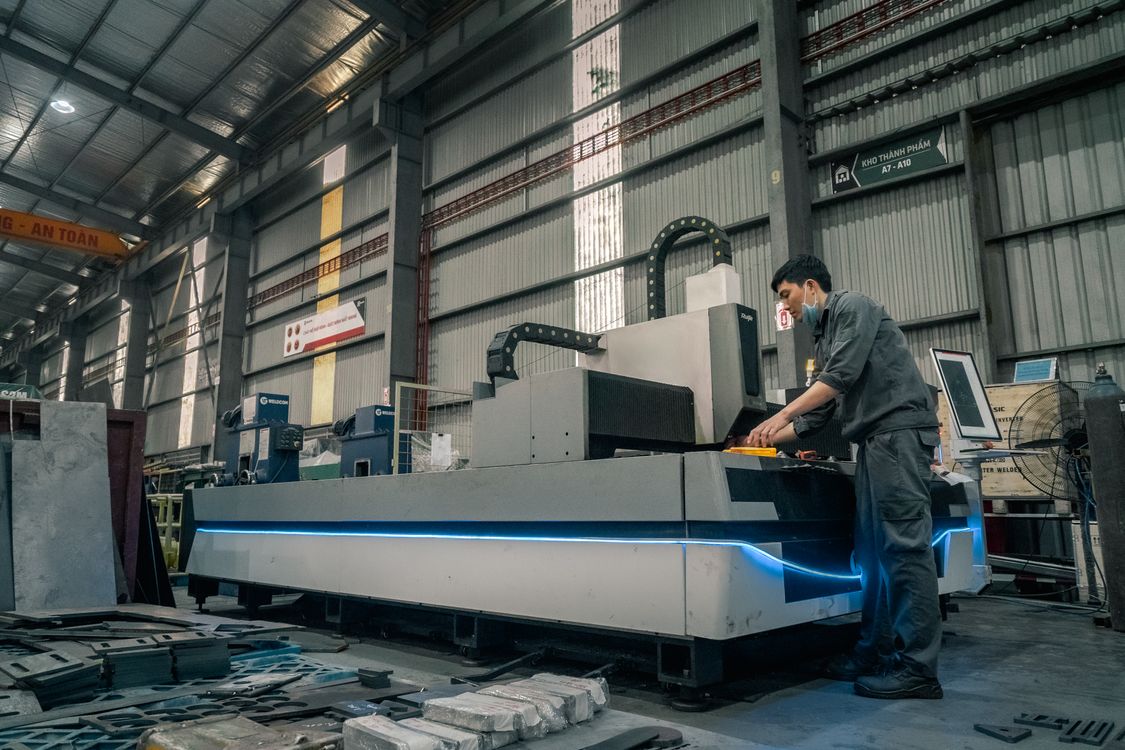
Electricity is the input most people think of first, and it is where fiber lasers have a real structural advantage. A fiber laser converts a much larger share of the electricity it draws into usable beam than an older CO2 laser does. Fiber wall-plug efficiency commonly runs in the range of 30 to 45 percent, against roughly 10 to 15 percent for CO2.
That efficiency gap lowers fiber laser operating cost in two ways. You pay for less electricity per part, and because less energy is wasted as heat, you need less cooling capacity and spend less running the chiller. The exact dollar figure depends entirely on your local electricity rate, your machine’s power, and how many hours it actually cuts, so treat efficiency as a real advantage but calculate the savings against your own numbers rather than a generic claim. This is one reason fiber has largely displaced CO2 for metal cutting, and technical publications like Laser Focus World cover the efficiency physics behind it.
Assist Gas: Often the Biggest Variable
For many shops, assist gas is the largest variable input in fiber laser operating cost, and it swings widely by gas. High-pressure, high-purity nitrogen for clean stainless and aluminum edges is the expensive one. Oxygen for mild steel is moderate. Self-generated shop air is cheap per cut once you have paid for the equipment.
Because gas is such a big lever, it is worth matching the gas to the job deliberately rather than running whatever is connected. The right laser cutting assist gas choice, and the right supply method for your volume, can move fiber laser operating cost meaningfully. Just remember the trap: a cheaper gas that slows the cut or leaves an edge needing deburring can raise cost per part even as it lowers cost per cubic foot. Judge gas by the finished part.
Consumables and Optics
Consumables are a steady line in fiber laser operating cost: protective windows, nozzles, ceramic rings, filters, and the occasional focus lens. None of them is expensive on its own, but they add up, and how fast you go through them depends on what you cut and how well the machine is maintained.
The way to control this part of fiber laser operating cost is not to buy the cheapest consumables, which can cost more when an off-spec window damages a lens, but to make them last through good operation and to stock them smartly. Knowing your real consumption lets you stock spare parts correctly and buy at sensible quantities instead of paying rush prices in an emergency.
Maintenance and the Cost of Downtime
Maintenance looks like a cost, but skipping it is far more expensive. The biggest hidden item in fiber laser operating cost is unplanned downtime, when the machine stops and operators stand idle while a fault gets sorted out. A day of lost production dwarfs the cost of the preventative work that would have avoided it.
This is why a preventative maintenance routine is one of the best returns in the whole fiber laser operating cost picture. A few minutes a shift and a stocked parts shelf keep the machine cutting, which keeps your cost per part low and predictable. Every unplanned stop spreads the day’s fixed costs over fewer parts, which quietly raises the cost of every part you did manage to cut.
Labor and Throughput
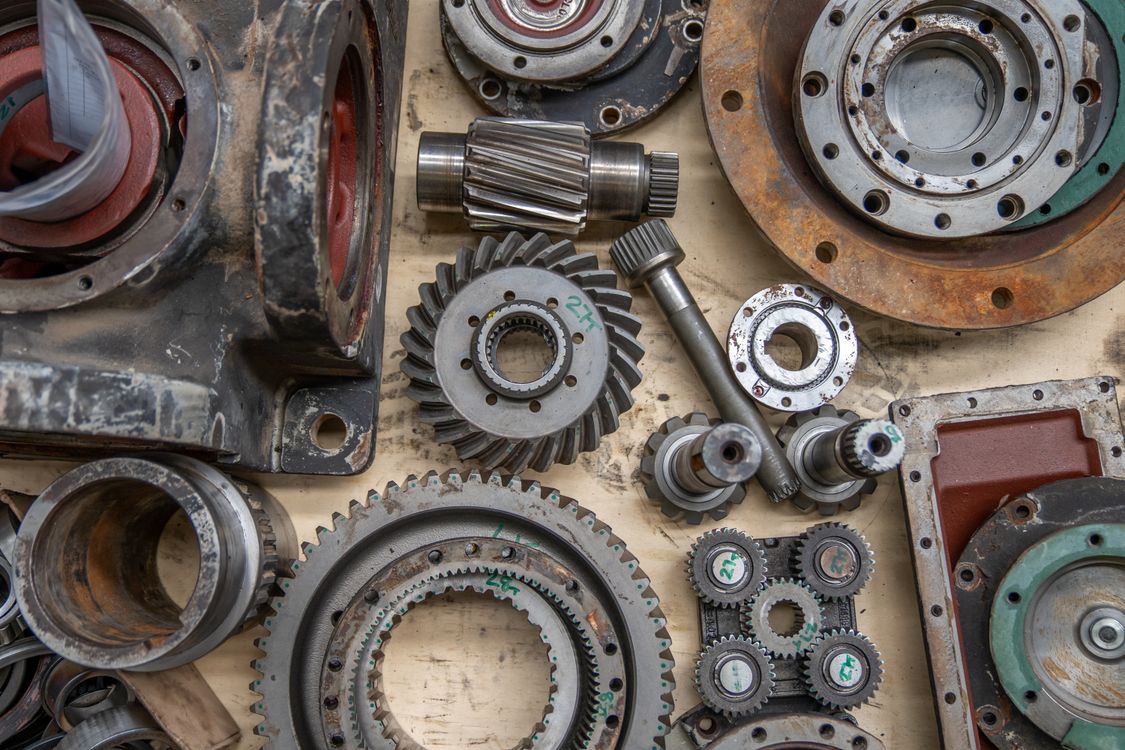
Labor is part of fiber laser operating cost too, and it ties directly to throughput. A skilled operator who sets up fast, cuts clean the first time, and keeps the machine running spreads the fixed costs over more good parts, which lowers cost per part. An undertrained operator who produces scrap and second passes raises it.
This is where operator training pays back in hard numbers. Faster, more consistent setups and fewer quality calls mean more good parts per hour from the same machine and the same wages. Throughput is the multiplier on every other input, so improving it is often the single biggest move you can make on fiber laser operating cost.
Beware the Vendor Number
A word of caution on fiber laser operating cost claims. Plenty of sales material throws out tidy figures, like a fixed yearly power savings or a flat claim that one machine costs half as much to run as another. Those numbers almost always come with no methodology, no electricity rate, and no duty cycle, which means they cannot tell you what your machine will actually cost.
The defensible truth is qualitative and still useful: fiber’s strong wall-plug efficiency means materially lower energy and cooling cost per part than CO2, but the dollar figure depends on your kWh rate, your machine power, and your utilization. Do not let a vendor’s round number set your expectations. Calculate your own fiber laser operating cost from your own inputs, which is the only figure you can quote against with confidence.
The Costs Shops Forget to Count
The visible costs, the electric bill and the gas invoice, are the easy ones. The costs that quietly inflate your real number are the ones nobody puts on a line item, and they are usually bigger than the ones that are easy to see.
- Unplanned downtime: operators paid to stand, the schedule slipped, and the day’s fixed costs spread over fewer parts.
- Rework and scrap: material bought, machine time spent, and labor used on parts that never ship.
- Rush parts: paying premium prices and expedited shipping because a consumable ran out at the worst moment.
- Damaged optics: a bargain window that took a focus lens with it, turning a small saving into a real bill.
- Missed promise dates: the customer who quietly takes the next job somewhere else.
Each of these spreads your fixed costs over fewer good parts, which is the mechanism that actually raises cost per part. A machine that runs reliably and cuts clean the first time avoids almost all of them, which is why running well is the cheapest cost-control program there is. When you tally the real total, the hidden costs are usually where the money was leaking, not the inputs you were already watching.
Run the Right Machine for the Work
One structural lever sits above the day-to-day inputs: running a machine that actually fits your work. An underpowered machine forced to cut thick plate runs slow and burns hours, while an oversized machine cutting thin sheet ties up capital that is not earning its keep. Either mismatch quietly raises your cost per part on every job.
Matching the machine to the parts you actually run, the materials, the thicknesses, and the volumes, is the kind of decision that pays back over years, not weeks. If you are weighing a new or used machine, or wondering whether your current one is right-sized for where your work has moved, our machine sales side can help you think it through against your real job mix. The right machine running a disciplined routine is the foundation a low cost per part is built on.
This is also where buying decisions and operating decisions meet. The cheapest machine to buy is not always the cheapest to run, and a machine matched to your work, kept on a good routine, beats a bargain that fights your jobs every day. Weigh purchase and operation together, not separately.
Proven Ways to Lower Operating Cost
Put the components together and a handful of moves reliably lower fiber laser operating cost without sacrificing cut quality. None of them is a gimmick; they are the levers the breakdown points to.
- Match assist gas and supply method to the work, since gas is often the biggest variable.
- Maintain the machine so unplanned downtime, the hidden cost, mostly disappears.
- Stock consumables from real usage to avoid rush prices and stoppages.
- Train operators so setups are fast and clean and throughput climbs.
- Keep the source efficient and well cooled so you use the energy you pay for.
- Run the right machine for the work so you are not over- or under-powered for the job.
- Track cost per part so you can see which lever actually moved the number.
Notice that most of these are operating habits, not purchases. The biggest gains in fiber laser operating cost usually come from running the machine well, not from buying something new. A well-run machine on a disciplined routine beats a neglected one on paper specs every time, and the habits that lower your cost are mostly free to adopt and pay back every shift you keep them up.
Use the Number to Quote With Confidence
A real cost per part is not just a scorecard, it is a quoting tool. When you know what the machine actually costs to run per finished part, you can price work with margin you can defend instead of guessing and hoping the job comes out ahead. Shops that quote on gut feel either leave money on the table or win jobs that quietly lose money, and both are avoidable once you know your number.
It also changes how you decide which work to chase. With a real cost per part in hand, you can see which materials, thicknesses, and job types are genuinely profitable on your machine and which are barely breaking even, and steer your quoting toward the work that pays. That is the difference between a shop that is busy and a shop that is busy and profitable, and it comes from treating cost as something you measure rather than assume.
Knowing the number is also what lets you tell whether a change actually helped. Make a move to lower a cost, then watch the cost per part, and the data tells you plainly whether the lever worked. Without the number you are guessing in both directions, on the quote and on the improvement.
Calculate Your Own Cost Per Part
The only fiber laser operating cost number worth trusting is the one you build from your own shop. Add up your electricity, assist gas, consumables, maintenance, and labor over a period, divide by the good parts you produced, and you have a real cost per part you can quote and improve against.
That number also tells you which lever to pull first, because it shows you where your money actually goes. If you want help building the picture or lowering the total, whether that is the right machine for your work, a maintenance plan, or sizing your gas supply, Reger Laser can work through it with you. Reach out and we will start from your own inputs, not a generic claim, so the number you walk away with is one you can actually quote against and improve over time.
Frequently Asked Questions
What is included in fiber laser operating cost?
Fiber laser operating cost includes electricity to run the source and machine, assist gas, consumables and optics, maintenance and the downtime poor maintenance causes, and the labor and throughput around the machine. The number that matters is cost per finished part, which rolls all of these together.
Are fiber lasers cheaper to run than CO2?
Generally yes, mainly because fiber lasers are far more electrically efficient, commonly 30 to 45 percent wall-plug efficiency versus roughly 10 to 15 percent for CO2. That lowers energy and cooling cost per part. The exact savings depend on your electricity rate, machine power, and utilization, so calculate your own fiber laser operating cost rather than trusting a generic claim.
What is the biggest cost in running a fiber laser?
It varies by shop, but assist gas is often the largest variable cost, especially high-pressure nitrogen, while unplanned downtime is the biggest hidden cost. Controlling assist gas and preventing downtime through maintenance are usually the two highest-impact levers on fiber laser operating cost.
How do I lower my cost per part?
Match assist gas to the job, maintain the machine to avoid downtime, stock consumables from real usage, train operators to raise throughput, and keep the source efficient and well cooled. Most gains in fiber laser operating cost come from running the machine well, not from new purchases. Track your cost per part so you can see which lever actually moved the number, then keep pulling the ones that work.
Know Your Numbers, Lower Your Cost
Reger Laser can help you understand and lower your fiber laser operating cost, from maintenance plans to gas supply to the right machine for your work. See our service options or get in touch.


