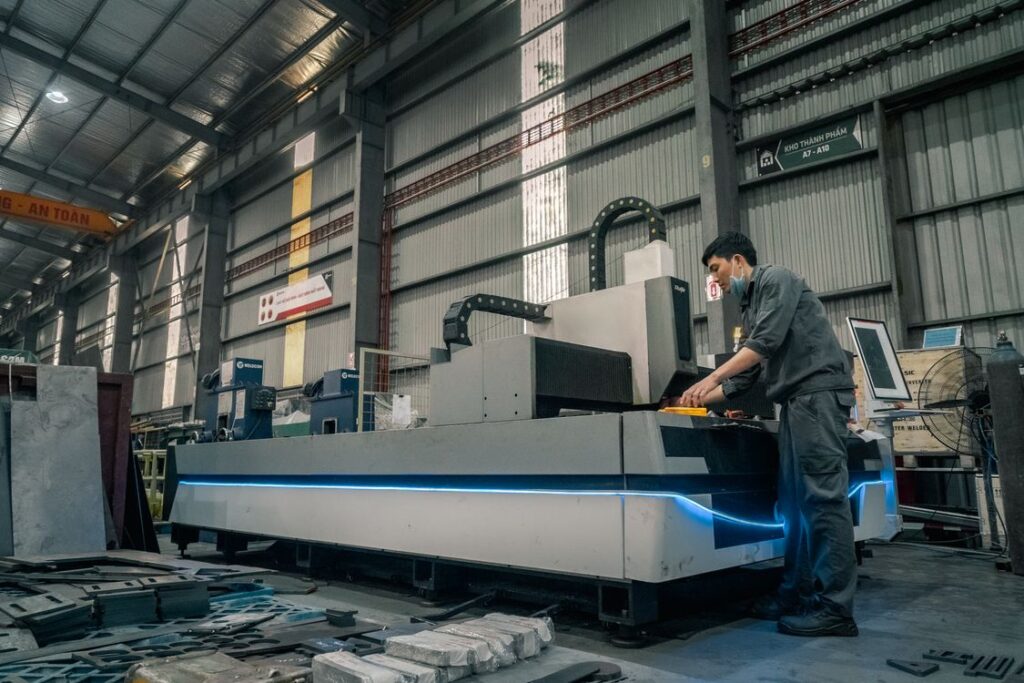
Fiber Laser Operating Cost: What It Really Includes
Electricity, assist gas, consumables, maintenance, and labor all feed fiber laser operating cost. Here is what each contributes and how to lower your cost per part.

Electricity, assist gas, consumables, maintenance, and labor all feed fiber laser operating cost. Here is what each contributes and how to lower your cost per part.
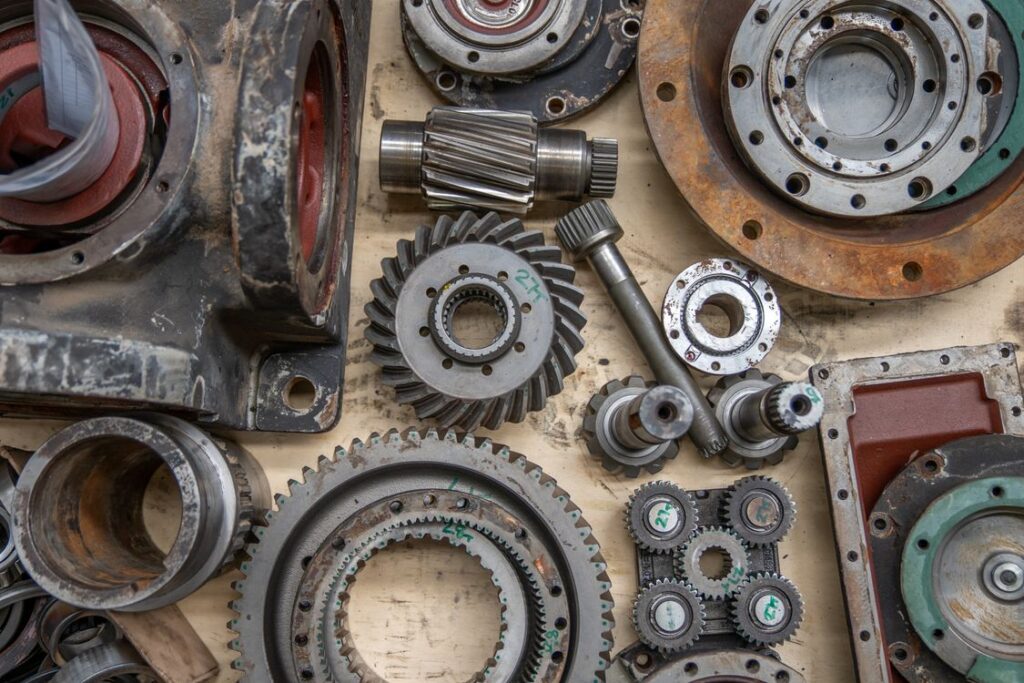
Which laser machine spare parts to stock deep, which critical spares to carry, and how to set reorder points from your own consumption instead of guesswork.
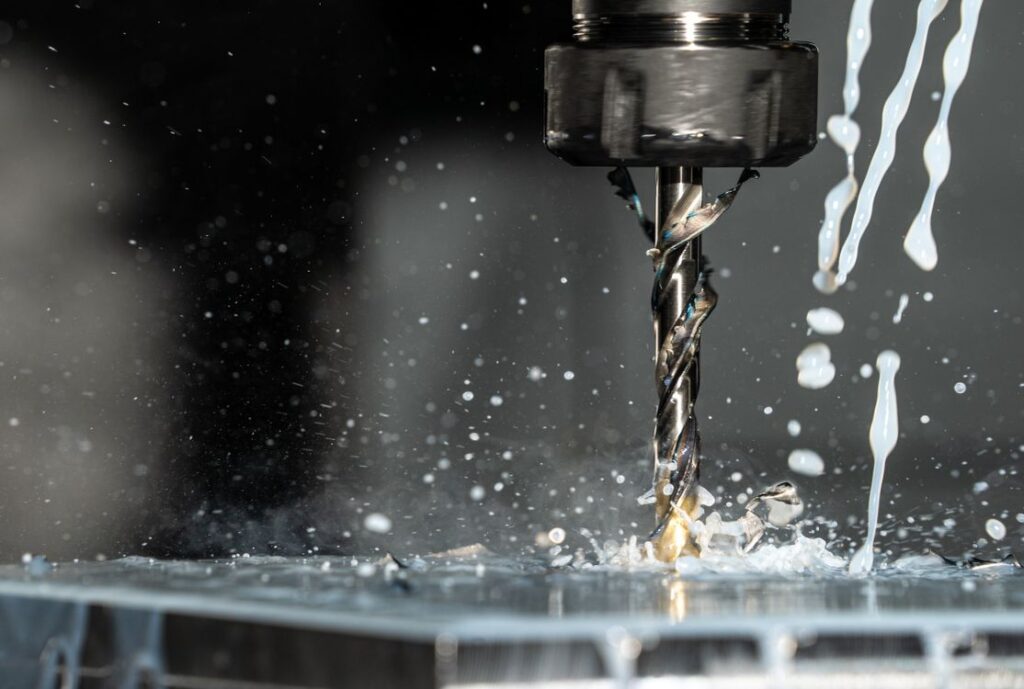
How nozzle type, diameter, standoff, and centering decide your cut, and the laser cutting nozzle mistakes that quietly degrade quality until someone checks.
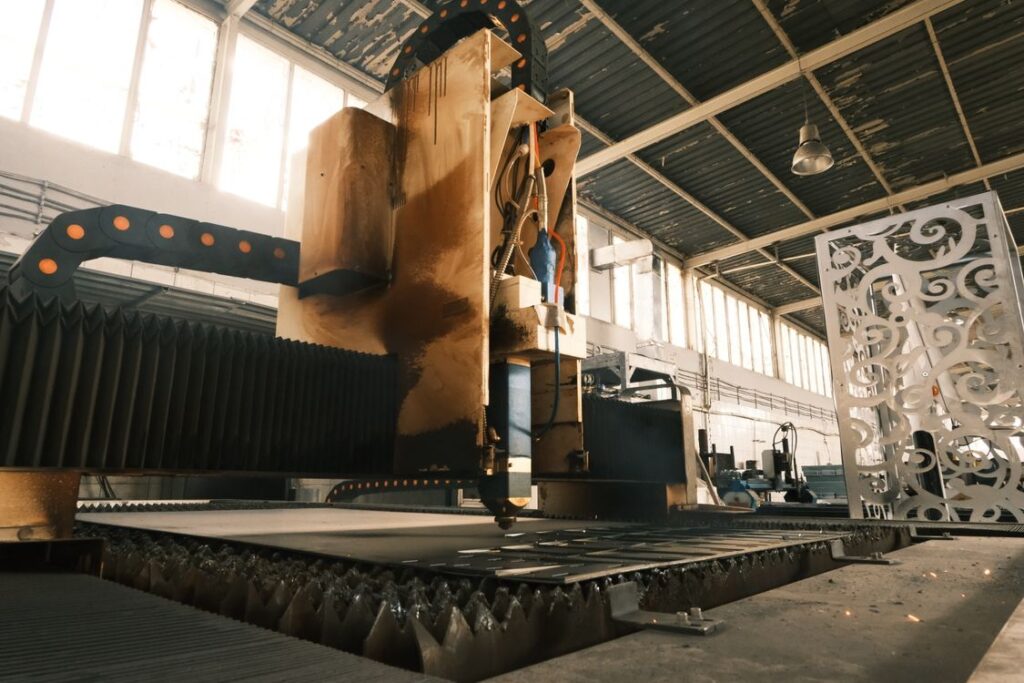
Power, material thickness, assist gas, nozzle, and focus all set fiber laser cutting speed. Here is how each works and how to cut faster without ruining the edge.

When to use oxygen, nitrogen, or shop air, why purity and pressure matter, and how the right laser cutting assist gas controls both edge quality and cost.

How Tanaka fiber lasers work, why they beat CO2 on cost and uptime, the full lineup, materials, service, and how to choose new vs used.

The four variables behind almost every edge defect, how to fix dross, striations, and burr, and how ISO 9013 actually measures laser cut edge quality.
Kerf in laser cutting is the width of material the beam removes. What changes it, why it moves parts out of spec, and how shops compensate.

Water quality, coolant changes, condenser cleaning, and reading chiller faults. The laser chiller maintenance routine that keeps your source out of an over-temp fault.
Power, speed, focus, and gas explained, how the settings change by material and thickness, and how to build a parameter library.